Greek Gods & Goddesses
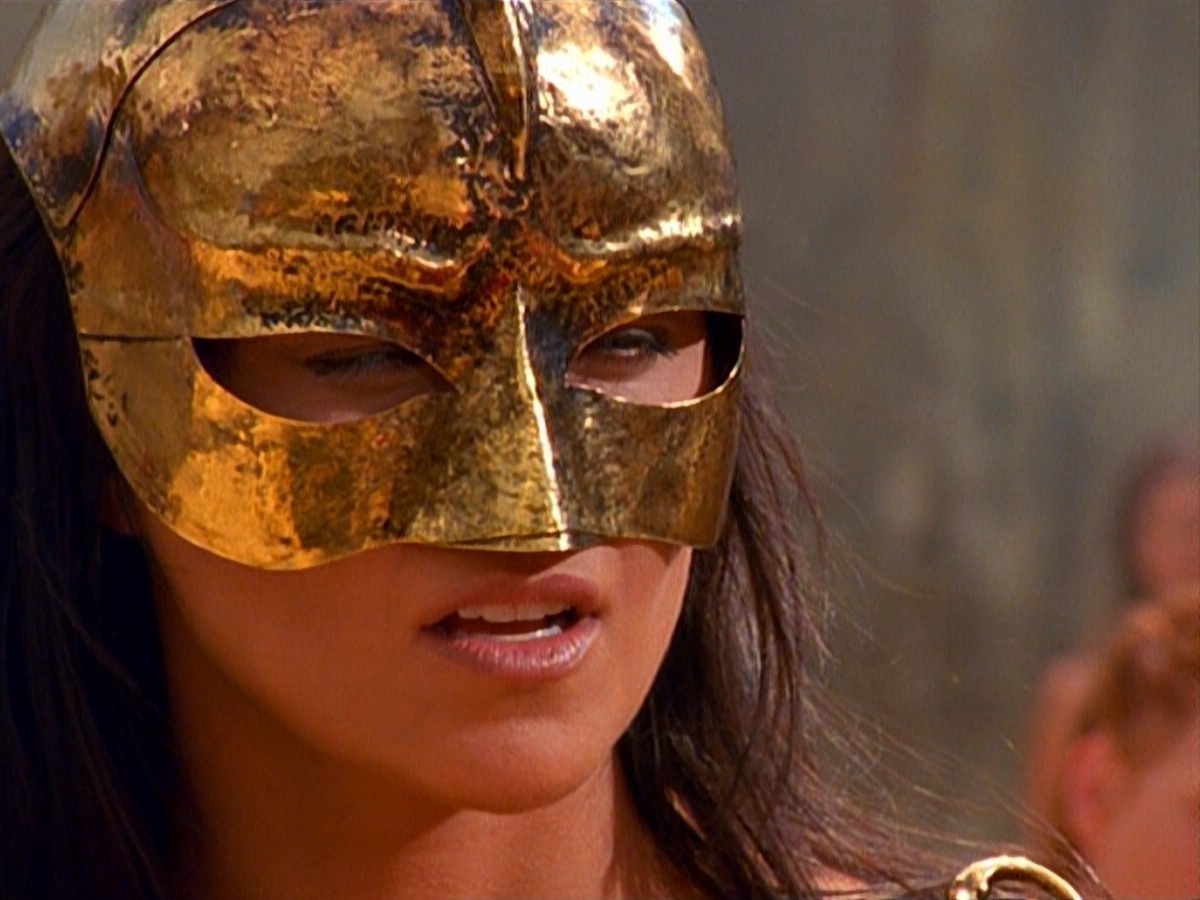
“In a time of ancient gods, warlords and kings… A land in turmoil cried out for a hero. She was Xena, a mighty princess forged in the heat of battle. The power, the passion, the danger… Her courage will change the world.”
Just kidding. That show was very entertaining, though, if you were too young to watch it.
The Gods of Olympus
The “Olympic Gods,” are the principal deities of the ancient Greek pantheon. They are called Olympians because, according to myth, they lived on Mount Olympus, the highest mountain in Greece. While the exact list of the twelve can vary in different accounts, the core group is generally consistent.
Here are the most commonly cited Twelve Olympians and their primary domains:
Zeus: King of the gods and ruler of Mount Olympus; god of the sky, thunder, and lightning.
Hera: Queen of the gods; goddess of marriage, women, childbirth, and family.
Poseidon: God of the sea, storms, earthquakes, and horses.
Demeter: Goddess of the harvest, fertility, agriculture, and the seasons.
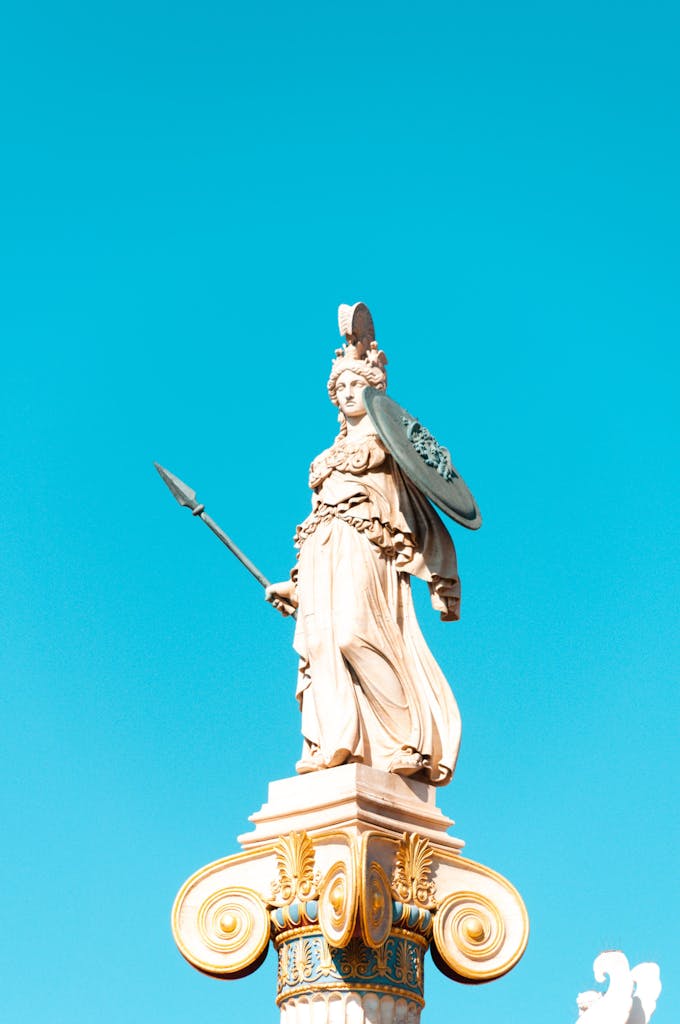
Athena: Goddess of wisdom, strategic warfare, and handicrafts.
Apollo: God of the sun, light, music, prophecy, healing, and archery.
Artemis: Goddess of the hunt, wilderness, wild animals, and the moon.
Ares: God of war and violence.
Aphrodite: Goddess of love, beauty, desire, and sexuality.
Hephaestus: God of fire, blacksmiths, and craftsmanship.
Hermes: Messenger of the gods; god of travel, trade, thievery, and eloquence.
Dionysus: God of wine, pleasure, festivity, and ritual madness. (He sometimes replaces Hestia on the list.)
Hades, though a major and powerful god, is typically not considered one of the Twelve Olympians because his domain is the Underworld, not Mount Olympus.
Hestia, the goddess of the hearth, sometimes replaces Dionysus as one of the twelve, but a common story is that she gave up her seat to tend to the hearth and live among mortals.
In addition to the Twelve Olympians, the Greek pantheon is vast, encompassing a wide range of deities from different eras of myth. These can be broken down into a few main categories:
Other Deities and Spirits
This group includes a wide variety of gods, goddesses, and other divine beings who, while not part of the main Olympian pantheon, are still significant figures in Greek mythology.
Hades: (As stated above) While a major god, he is typically not included with the Twelve Olympians because his domain is the Underworld, not Mount Olympus. He is the god of the dead and the king of the Underworld.
Hestia: (As stated above) a common story is that she gave up her seat to tend to the hearth and live among mortals.
Hecate: A goddess of witchcraft, magic, crossroads, and ghosts. She is often depicted as a triple goddess.
Pan: The god of the wild, shepherds, flocks, and rustic music. He is known for being half-man and half-goat.
Eris: The goddess of strife and discord. Her actions, such as throwing the “Golden Apple of Discord,” were often catalysts for major mythological events.
Nemesis: The goddess of retribution, vengeance, and divine justice.
Nike: The goddess of victory. She is often depicted as a winged goddess flying over battlefields.
The Muses: A group of nine goddesses who inspire the arts and sciences.
The Fates (The Moirai): Three goddesses who determine the destiny of all mortals. They are Clotho (the spinner of the thread of life), Lachesis (the one who measures it), and Atropos (the one who cuts it).
The Primordial Gods
These are the first beings to emerge from the void of Chaos, representing the fundamental elements and concepts of the universe. They are the oldest and most fundamental deities, from whom all others descended.
Chaos: The initial void or abyss from which all else came into existence.
Gaia: The primordial goddess of the Earth, known as “Mother Earth.” She gave birth to the sky, the mountains, and the sea.
Uranus: The primordial god of the Sky, and the husband and son of Gaia.
Eros: The primordial god of love, desire, and procreation, the driving force behind creation.
Tartarus: A primordial deity and a deep, dark abyss used as a prison for the most dangerous beings.
Nyx: The primordial goddess of the Night. She is a powerful figure, even feared by Zeus.
The Titans
The Titans are the generation of powerful deities that came after the Primordial Gods and ruled the cosmos before the Olympians. They are the children of Gaia and Uranus.
Cronus: The leader of the Titans and the god of the harvest and time. He overthrew his father, Uranus, and was in turn overthrown by his son, Zeus.
Rhea: The Titaness of fertility and motherhood, and the wife of Cronus. She is the mother of the Olympian gods.
Oceanus: The Titan god of the great river that encircled the world.
Mnemosyne: The Titaness of memory, and the mother of the Muses.
Prometheus: A Titan who sided with the Olympians; he is known for creating mankind out of clay and for stealing fire from the gods to give to humanity.
Atlas: A Titan condemned to hold up the celestial sphere for eternity as punishment for his role in the Titanomachy (the war between the Titans and the Olympians).