
How Do You Create a Ritual?
What is a Ritual
A ritual is a more formalized form of raising and directing your magical energy. It is often seen in ceremonial magic, and has been included in many Wiccan traditions. Since a lot of witches, whether through in person training, or through the available literature have been exposed to or taught these principles, they are a somewhat popular practice among practitioners.
Ceremonial magic, the kind represented by ritual is often referred to as High Magic. More traditional hoodoo type practices are often referred to as Low Magic. This isn’t a judgement on their value, but more an indication on how much pomp and ceremony is involved in the working.
I think of Ritual Magic, or ceremonial magic, like putting on a play. In fact, it is sometimes referred to as ritual drama. Ritual dramas are often enacted for specific reasons, such as honoring gods, recognizing passages of time, or marking significant life transitions.
Purpose of Your Ritual
The first step in creating any ritual, or any spell or magical working, is determining your purpose. Why are you doing this ritual? What are you trying to accomplish? Defining your purpose will help you to identify what items you may need to aid you in your working, and what format you want your ritual to be in. Are you honoring a God or Goddess, a Sabbat, a Rite of Passage, a moon cycle? What is your intention? Where are you trying to focus your energy?
Take a moment to write this down. Try to distill it to a clear statement of purpose. The more focused your goal is, the more likely you are to accomplish your goal.
Items Used in Rituals
Next, you are going to pick your focus items. Honestly, you don’t have to have any. If you just want to dance naked under the full moon, you go right ahead and raise that cone of power.
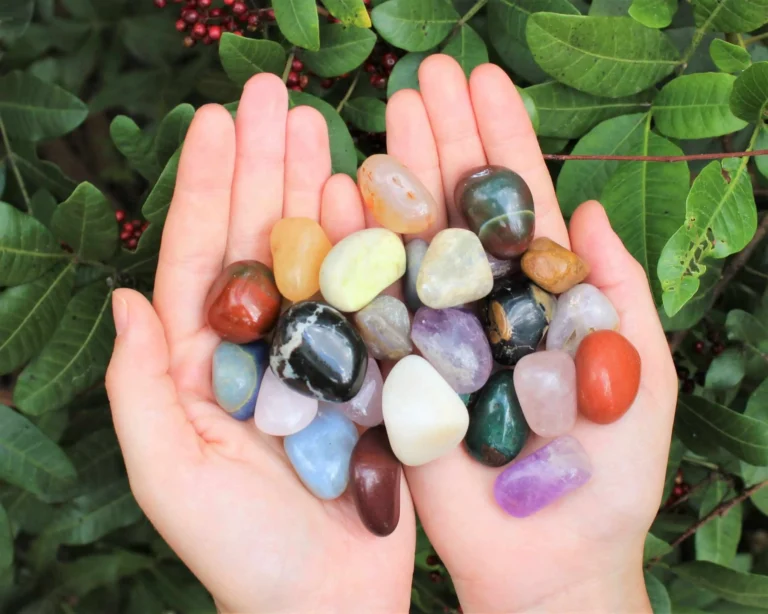
Many people like to have a candle to pour their intention into, seeing their intent carried into the wind by the flame, which can also signify a sacrifice. Some people charm a stone or object to carry around with them, imbued with the energy from the rite. You can also create and charge a sigil, charge a piece of jewelry or a crystal.
Remember how we talked about ritual drama, this is your chance to set the stage. Are you going to wear a costume/ritual robe or other specific garment? Are you going to decorate with specific colors, or items, or flowers? Where are you going to perform the main parts of your ritual? Do you need anything to accommodate you in those areas (an extra candle to read by, or the items you are going to use in a spell, or offerings for the gods/spirits)? Do you have cakes and ale? (Hint: This libation has a dual purpose of helping to balance your blood sugar and personal energy after ecstatic workings. As above, so below. Take care of your physical body too!)
The Ceremonial Part of Rituals
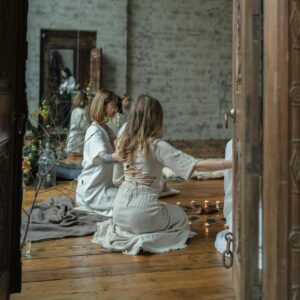
New Age Pagan rituals are diverse and often eclectic, drawing on a variety of traditions, but they typically follow a basic ceremonial structure and use a set of common tools. The purpose of these ceremonies is to create a sacred space, connect with the divine, and work with natural energies for healing, transformation, or manifestation.
The general structure of a ritual often includes these key phases:
- Purification and Preparation: This is the process of cleansing both the ritual space and the participants to remove negative energy and create a clear, sacred environment. This can be done through a variety of methods, such as smudging with sacred herbs like sage, burning incense, or a ritual bath.
- Casting the Circle: This act establishes a boundary between the mundane world and the sacred space for the ritual. A circle may be physically marked on the ground with salt, stones, or a rope, and is often visualized as a protective sphere of energy.
- Invocation: This is the calling upon of deities, spirits, or elemental energies to be present and participate in the ritual. Many traditions invoke the four elements—earth, air, fire, and water—and their corresponding directions (North, East, South, and West). A fifth element, spirit (or akasha), may also be included.
- The Main Purpose: This is the core of the ritual, where the participants perform the intended work. This can be a variety of activities, such as:
- Spellwork: Directing energy to manifest a specific outcome.
- Honoring the Divine: Offering prayers, songs, or offerings to deities.
- Celebrating Natural Cycles: Marking holidays like the solstices or equinoxes.
- Rites of Passage: Ceremonies for life events like births (wiccaning), marriages (handfastings), or welcoming adulthood (croning).
- Cakes and Ale: A simple feast of food and drink, often shared with the deities as a way to ground and center the participants after the main ritual work. This act symbolizes the connection between the spiritual and physical realms.
- Closing: The final part of the ritual involves thanking and formally releasing the invoked deities and energies. The circle is then “uncast” or “opened,” returning the space to its normal state.
A Touch of Magic
In Pagan traditions, magic is not viewed as something supernatural or created from nothing, but rather as the process of channeling and directing natural energies that are already present in the universe. Ceremonies and rituals are the structured methods used to focus and amplify a practitioner’s will, intention, and personal energy to bring about a desired change. This is often described as “causing change to occur in conformity with will.”
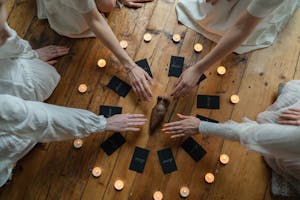
The core principles of creating magic through ceremony involve these key elements:
Intention and Will
The most crucial part of any ritual is having a clear and focused intention. Without a defined goal, the energy raised during the ceremony has no direction. The practitioner must visualize the desired outcome vividly and be emotionally invested in it. This mental and emotional focus is the engine that drives the magic.
Energy Raising
A key part of a magical ceremony is raising and directing this energy. Magic practitioners believe that energy is present everywhere—in nature, in deities, and within themselves. Raising this energy and/or vibrational state is done through various methods, including:
- Chanting and Singing: Repetitive words and rhythms can build a powerful, focused energy.
- Visualization: Mentally seeing the energy being gathered, shaped, and sent toward the desired goal.
- Dance and Movement: Physical action, particularly within the sacred circle, can generate a significant amount of energy.
- Meditation: Deep focus and a quiet mind can help a practitioner tap into their own inner power and the energies of the universe.
Use of Sacred Space and Tools
Rituals are typically performed within a sacred space, most commonly a circle. This circle is cast to create a protected, purified area that separates the participants and their work from the mundane world. It also serves to contain and amplify the energy raised during the ceremony.
Within this circle, witches may use specific tools that act as conduits and symbols. These tools are often associated with the four classical elements and are used to help the practitioner focus their will and intention. Use and assignment of these tools may vary from tradition to tradition, or even through practical usage among practitioners.
- Athame (ritual dagger): Used for directing energy and casting the circle. It’s often associated with the element of Fire (from the forge) or Air (intellect, will).
- Wand: Used to channel and direct energy. It is often associated with the element of Air or Fire.
- Chalice (cup): Represents the element of Water and the divine feminine.
- Pentacle: A flat disk, often inscribed with a pentagram, representing the element of Earth and its grounding, stable nature.
Elemental and Divine Connection
A common practice in formal rituals is to invoke the four elements (Earth, Air, Fire, and Water) and the divine (the Goddess and the God) to bless and empower the working. Each element is associated with a cardinal direction and specific energies:
- Air: Intellect, communication, new beginnings.
- Earth: Stability, prosperity, grounding.
- Fire: Passion, transformation, willpower.
- Water: Emotion, intuition, healing.
By calling upon these forces, the practitioner aligns their personal energy with the fundamental energies of the universe, enhancing the power and effectiveness of their magical work.
Ritual Journalling
Beyond personal reflection, a ritual journal is an essential practical tool for anyone who performs rituals. This would ideally be part of your Book of Shadows. It allows you to:
- Document Spells and Rituals: You can record the details of your magical workings, including the time of day, moon phase, planetary correspondences, ingredients used, and the emotional state you were in. This kind of detailed record-keeping helps you understand what factors contributed to a successful or unsuccessful outcome.
- Identify Patterns: By looking back at your entries, you can identify patterns that you might have otherwise missed. For example, you might discover that your energy work is strongest on a full moon, or that a particular herb consistently works well for a specific type of spell.
- Refine Your Practice: The journal is a place to note what worked and what didn’t. This helps you to refine your techniques and build a personalized system of magic that is effective for you. It allows you to learn from your successes and failures and continuously improve your craft.
This is just an introduction to the use of ritual in magical practices. Like most things, you will discover your preferences and develop your own style through practice. Don’t be afraid to mess things up. This is it’s own form of learning and magic.
Have fun with it!